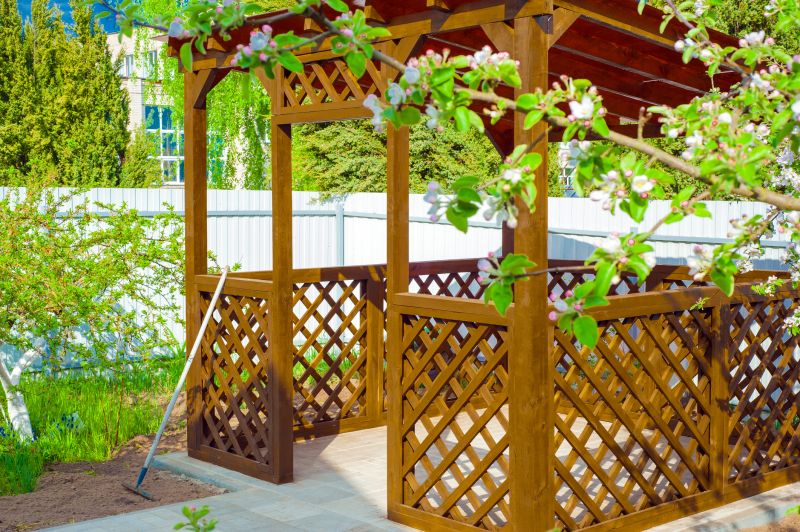
Gazebo Sealing in Seattle, WA
Gazebo sealing services involve applying protective coatings or sealants to preserve the structure and extend its lifespan. This service is typically requested for outdoor gazebos made of wood, metal, or composite materials, helping to prevent water intrusion, wood rot, and damage caused by exposure to the elements. Homeowners often seek this service to maintain the appearance and integrity of their gazebo, especially in regions with frequent rainfall or high humidity, ensuring that the structure remains safe and visually appealing for years to come.
Before requesting gazebo sealing, property owners usually want to understand the type of sealant used, the preparation process involved, and the expected durability of the coating. It’s also common to inquire about the best timing for sealing, particularly after initial construction or following repairs, and whether the service includes cleaning or surface preparation. Clarifying these details helps ensure the project meets expectations and provides long-lasting protection for the outdoor structure.
Many property owners in Seattle, WA look into Gazebo Sealing for repairs, replacements, upgrades, and appearance-related improvements.
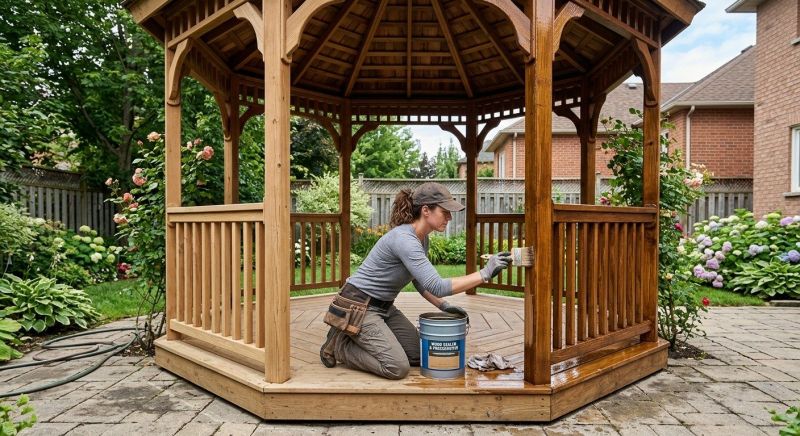
Protecting Your Gazebo
Sealing helps prevent water damage and extends the life of your gazebo structure.
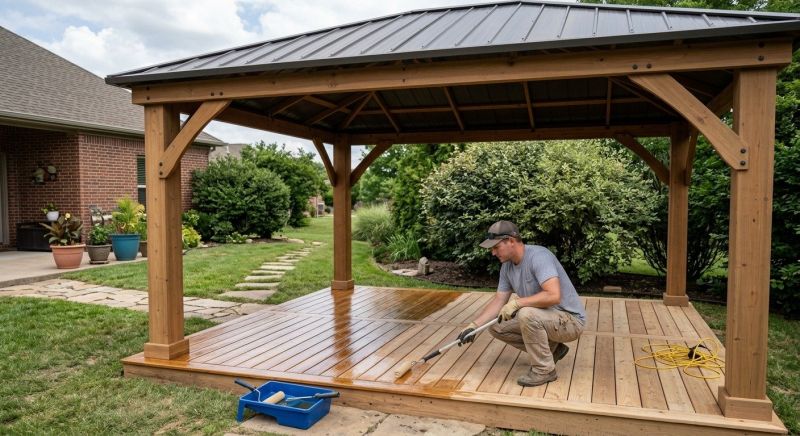
Maintaining Outdoor Spaces
Proper sealing keeps your gazebo looking great and functioning well throughout the seasons.
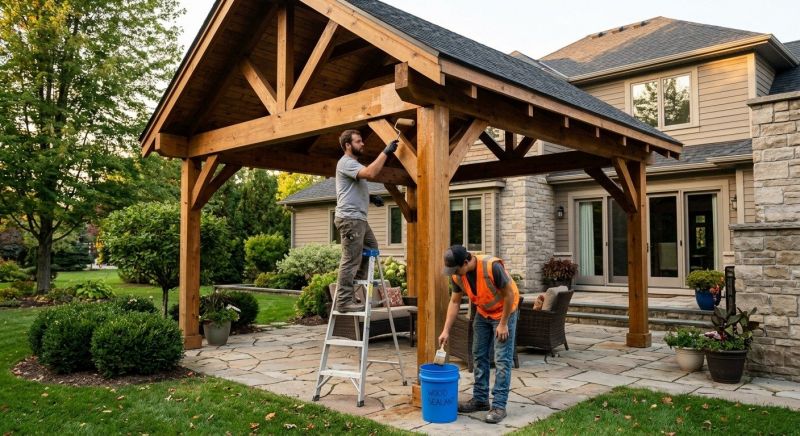
Expert Sealing Solutions
Professional sealing services ensure a durable barrier against moisture and weather-related wear in seattle, wa.
Gazebo Sealing in Seattle, WA
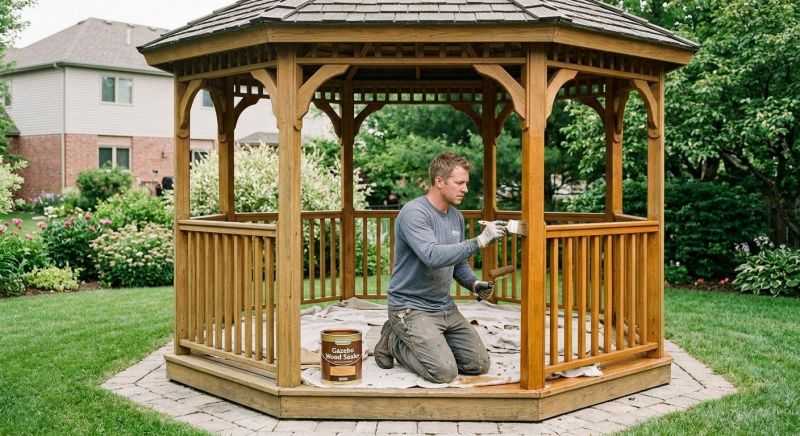
Gazebo sealing services involve applying protective coatings or sealants to preserve the structure and extend its lifespan. This service is typically requested for outdoor gazebos made of wood, metal, or composite materials, helping to prevent water intrusion, wood rot, and damage caused by exposure to the elements. Homeowners often seek this service to maintain the appearance and integrity of their gazebo, especially in regions with frequent rainfall or high humidity, ensuring that the structure remains safe and visually appealing for years to come.
Before requesting gazebo sealing, property owners usually want to understand the type of sealant used, the preparation process involved, and the expected durability of the coating. It’s also common to inquire about the best timing for sealing, particularly after initial construction or following repairs, and whether the service includes cleaning or surface preparation. Clarifying these details helps ensure the project meets expectations and provides long-lasting protection for the outdoor structure.
Many property owners in Seattle, WA look into Gazebo Sealing for repairs, replacements, upgrades, and appearance-related improvements.
Common Gazebo Sealing Jobs
Gazebo sealing - prevents water leaks and protects the structure from weather damage.
Weatherproofing - seals gaps and joints to improve gazebo durability during storms and rain.
Roof sealing - addresses leaks around roof panels and edges to maintain a dry interior.
Frame sealing - helps prevent rust and corrosion by sealing metal or wooden gazebo frames.
Joint sealing - ensures all connections are protected from moisture infiltration and pests.
Maintenance sealing - extends the lifespan of a gazebo through regular sealing and waterproofing.
Gazebo Sealing Questions
Why is sealing a gazebo important? Sealing helps prevent water intrusion, reduces wood rot, and extends the lifespan of the structure.
What types of sealant are used for gazebos? Waterproof sealants such as silicone, polyurethane, or specialized wood sealants are commonly used for gazebo sealing.
When should a gazebo be resealed? Regular inspections are recommended, and resealing is typically needed every few years or when signs of wear appear.
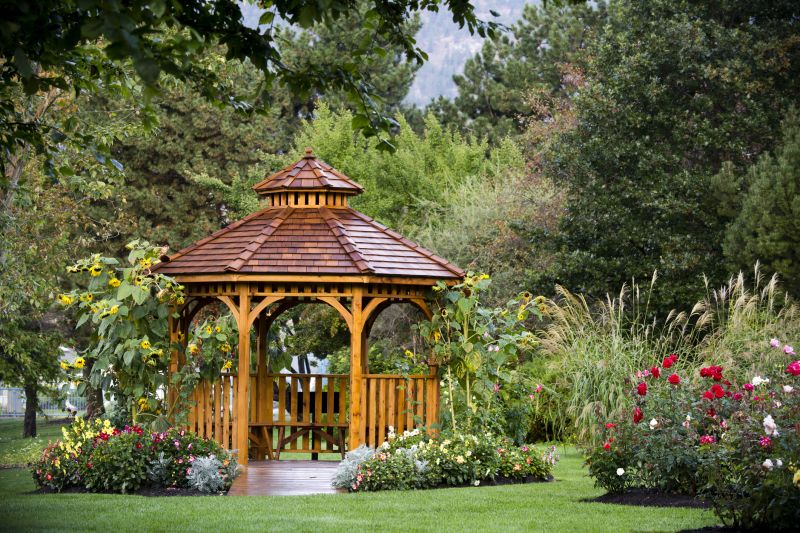
Can sealing improve a gazebo's appearance? Yes, sealing can enhance the appearance by protecting the wood from weathering and maintaining a clean, finished look.
Request Gazebo Sealing in Seattle, WA
Use the quote form on this page to share the basics of your project and request more information for the type of work you need.